
How Reducing Teacher Talk Time Helped Every Kid in the Room
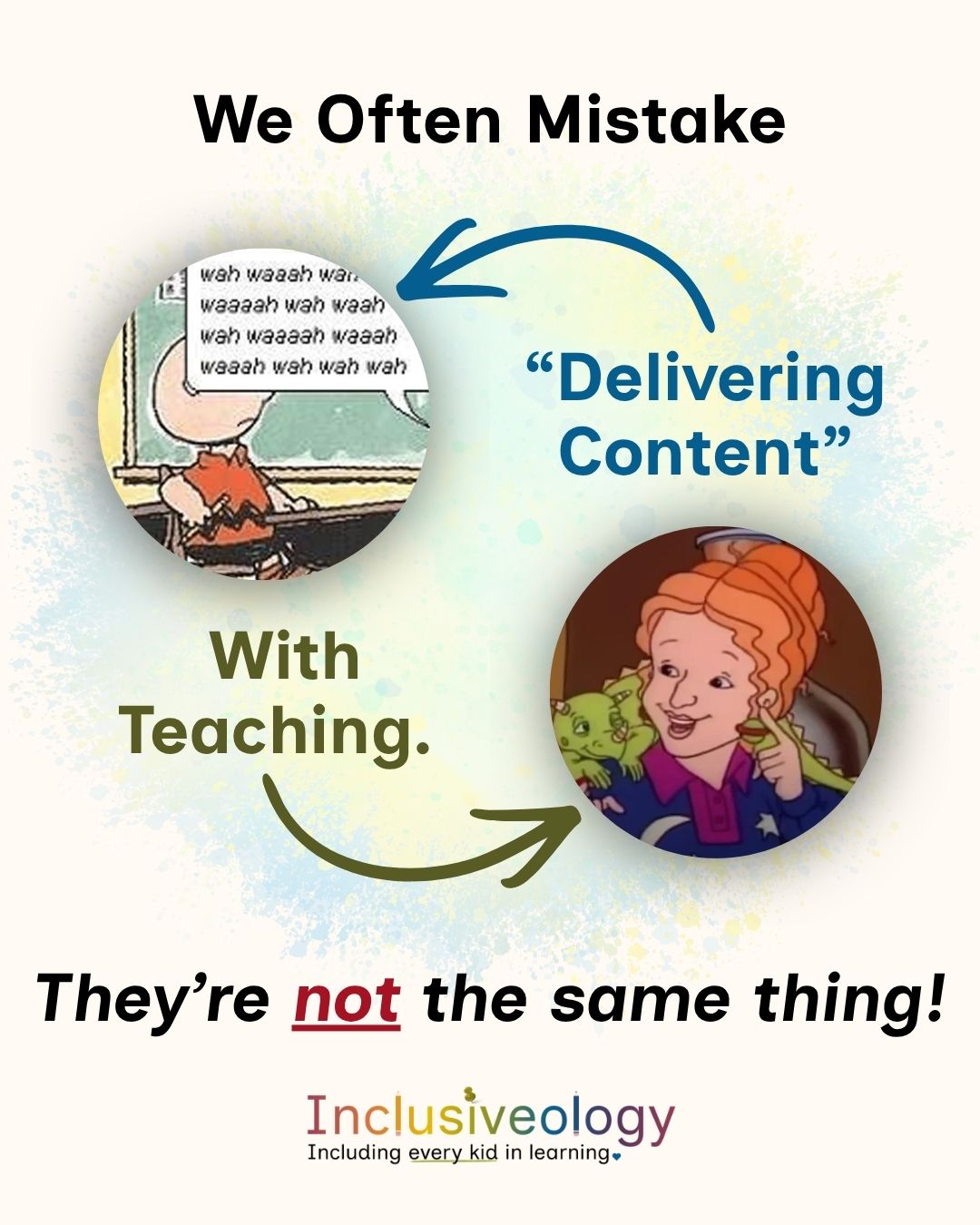
Delivering content and teaching are not the same thing.
It’s an easy trap to fall into, especially when the concepts are tough. When students struggle, our instinct as educators is often to take over… to explain more, to talk longer, and to stand at the front of the room and “pour” knowledge into them.
Ms. Diaz, a 4th-grade teacher I’ve been coaching, had this particular challenge, and she wanted to shift how she delivered content.
Ms. Diaz has a very diverse classroom, including five students with learning disabilities related to reading. A wall of text on the SmartBoard was overwhelming, and they tended to check out.
During my initial observation of her lesson on main idea and details, Ms. Diaz was doing what she thought she had to do: lecturing. She stood at the front, modeling with a complex paragraph, highlighting sentences on the overhead, and doing 90% of the talking.
The “high flyers” in the front row were with her. But when I scanned the room, I saw other students playing in their desks, flipping through papers, and shrinking into their chairs. They were passive. They were quiet. And they were completely lost.
The cognitive load was entirely on Ms. Diaz. She was working harder than her students.
Having the Tough Conversation and Making the Shift
In our next coaching session, I asked her a tough question.
“Ms. Diaz,” I said, “who is doing the thinking right now?”
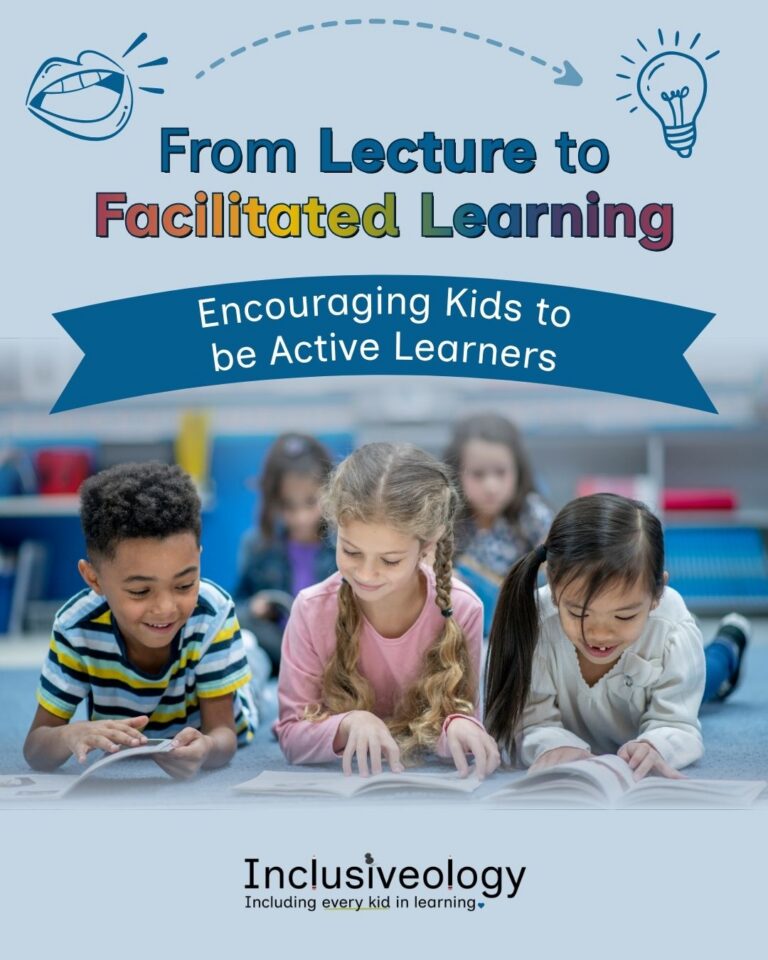
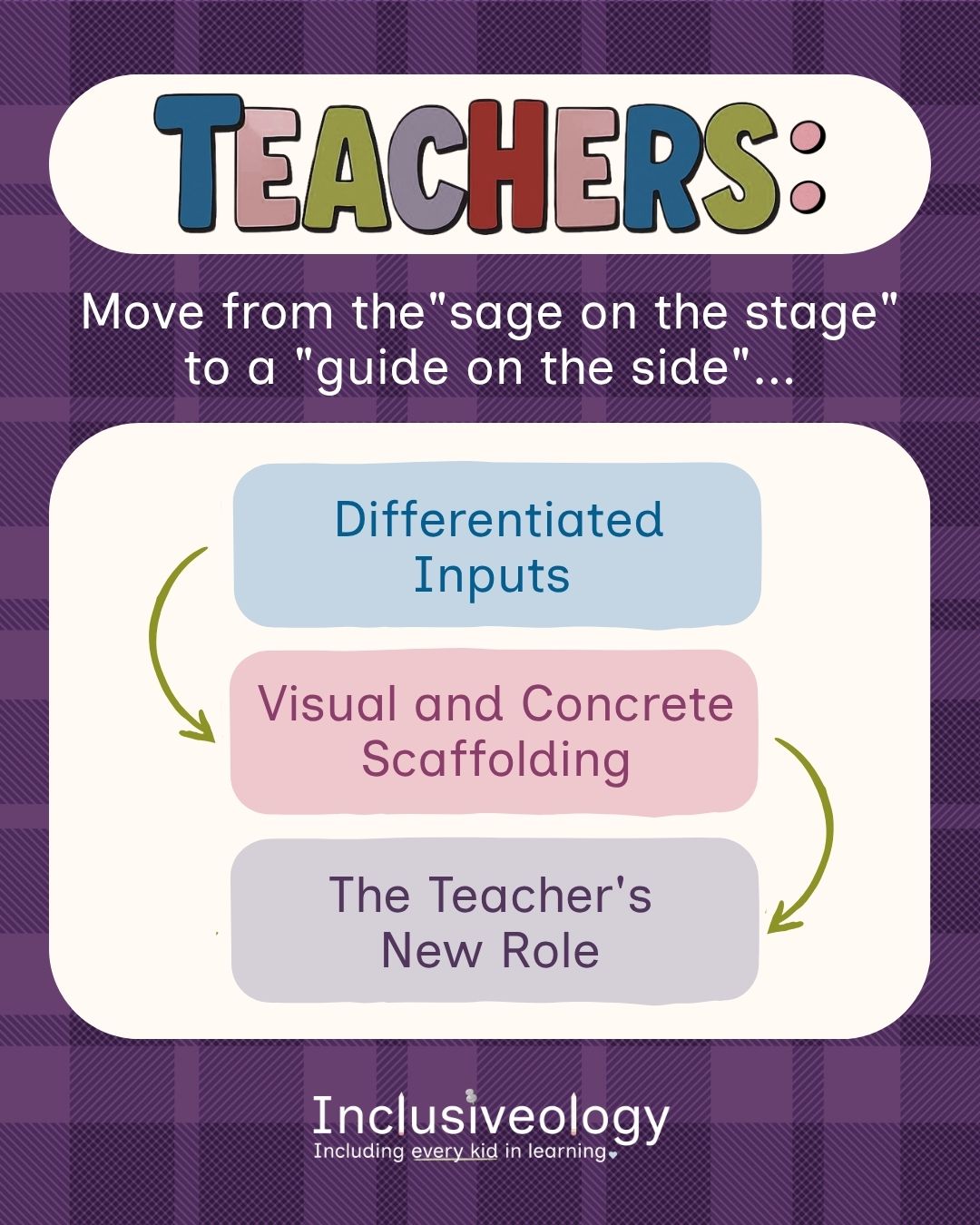
We realized that to reach everyone, especially those five learners who needed the most support, she had to fundamentally shift her role. She needed to move from the “sage on the stage” delivering a lecture, to a “guide on the side” circulating the room.
So we shifted. A lot.
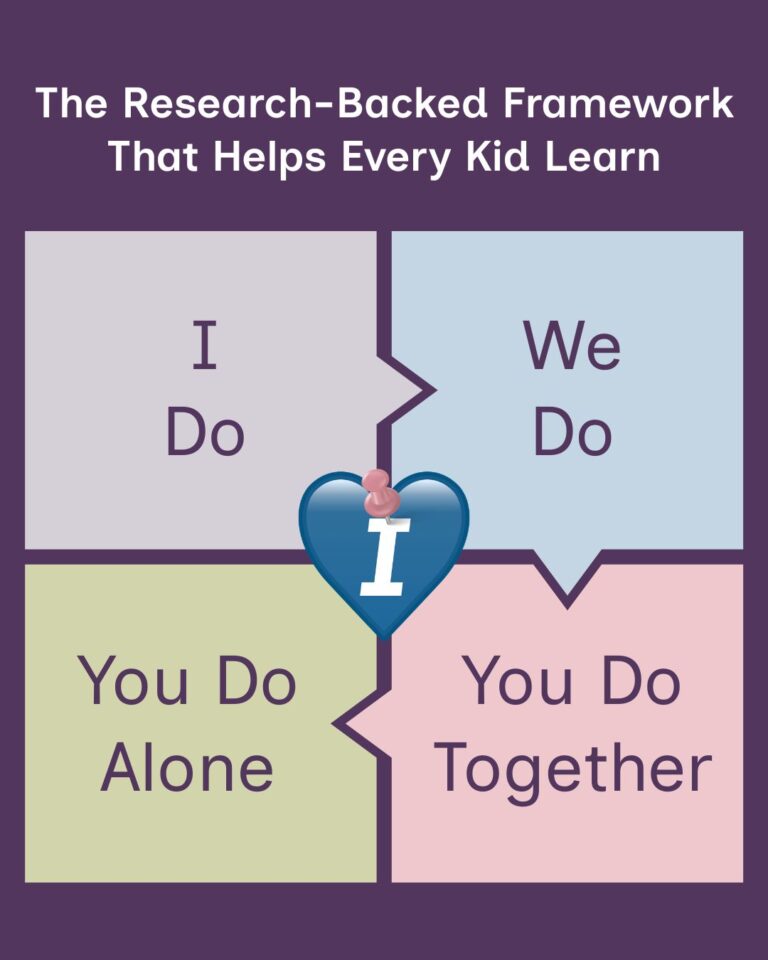
We redesigned the next lesson using the gradual release model of instruction. The goal: get Ms. Diaz off the stage and get the students into the work.
What the Shift Looked Like in Practice
Here is what reducing teacher talk time actually looked like in Ms. Diaz’s main idea lesson:
1. Differentiated Inputs Instead of one complex text for everyone, Ms. Diaz prepared tiered reading passages. The content remained rigorous, but the reading levels were adjusted so every student could access the text independently.
2. Visual and Concrete Scaffolding For her students with learning disabilities, we introduced a color-coded system. They got physical highlighters – yellow for “The Big Idea,” blue for the “Evidence.” We also provided graphic organizers with sentence stems to help them capture their thoughts.
3. The Teacher’s New Role Ms. Diaz delivered a 5-minute mini-lesson, and then she released them to work. That’s the gradual release model of instruction in action: she modeled briefly, and then stepped back so students could step up.
What Happened?
There was a significant change in the energy and the “feel” of her classroom. Her kids went from silent passivity to “I think I get it!”
Ms. Diaz stopped being tethered to the whiteboard. She was kneeling next to desks.
I watched her crouch beside Danny, one of her students with a reading disability. He was stuck.
A week prior, Ms. Diaz would have just pointed to the main idea sentence for him to keep the lesson moving. This time, she pointed to his graphic organizer and asked, “What’s the one thing this whole paragraph is pointing to?” She waited.
It took Danny thirty seconds of silence, but he eventually tapped a sentence and picked up his yellow highlighter. That 30 seconds of silence was the wait time Danny needed. Win!
Ms. Diaz didn’t give him the answer; she gave him the space and the scaffold to find it himself.
By stepping back, Ms. Diaz allowed her students to step up. The end-of-unit data showed growth across the board, but the biggest gains were among those five students who just needed a different entry point.
The Takeaway: Less Talk, More Learning
Reducing teacher talk time isn’t about doing less… It’s about doing things differently. Here is a quick recap of the strategies that made the biggest difference in Ms. Diaz’s classroom:
- Tiered reading passages so every student could access the content independently
- Color-coded highlighters and graphic organizers as concrete scaffolds
- A short, focused mini-lesson followed by a structured release to independent work
- Wait time: giving students the space to think without jumping in
Moving from lecturer to facilitator isn’t easy. It requires trusting your students and trusting the scaffolds you’ve built. But when we structure and differentiate our instruction in a way that supports student learning, every kid has a chance to succeed.
| Inside Inclusiveology, you’ll find the tools, strategies, and real human support to help you make the shift from lecturer to facilitator… so every learner in your room has a chance to shine. Join us at Inclusiveology.circle.so/JoinUs Come get snuggled in. 💙 |