Why Small Group Time Belongs in Every Classroom, Every Day
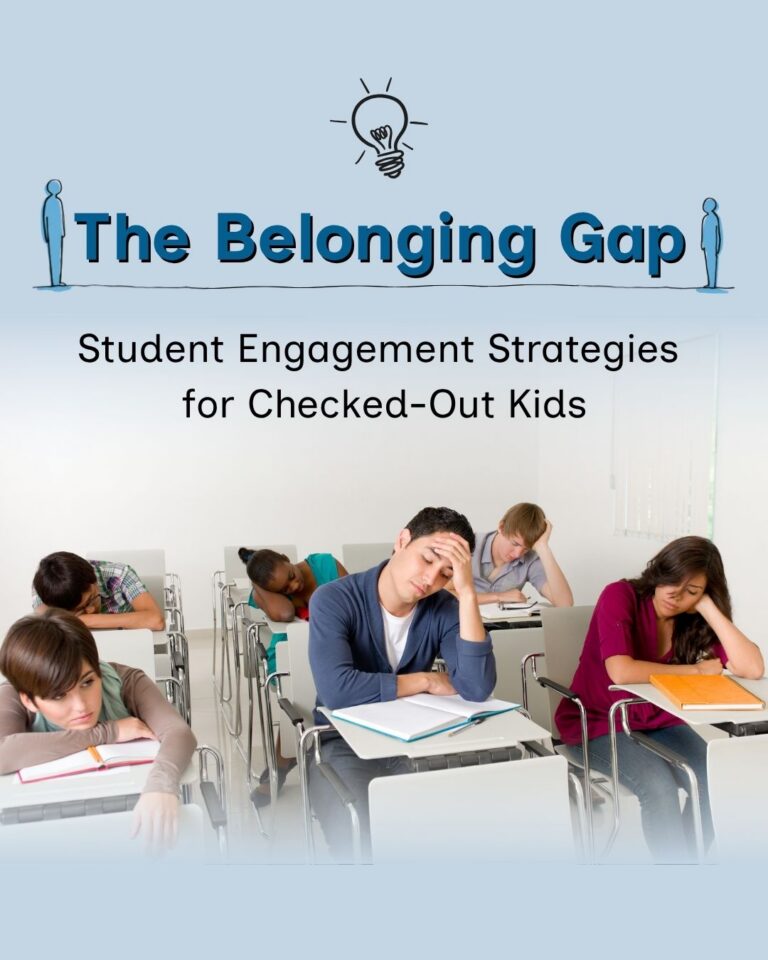
In a typical 60-minute lesson, a few students tend to dominate the conversation while others settle quietly into the middle, and a handful drift away entirely. As educators and administrators, we know that whole-group instruction is efficient for delivering content, but small group instruction is where real, lasting learning takes root.
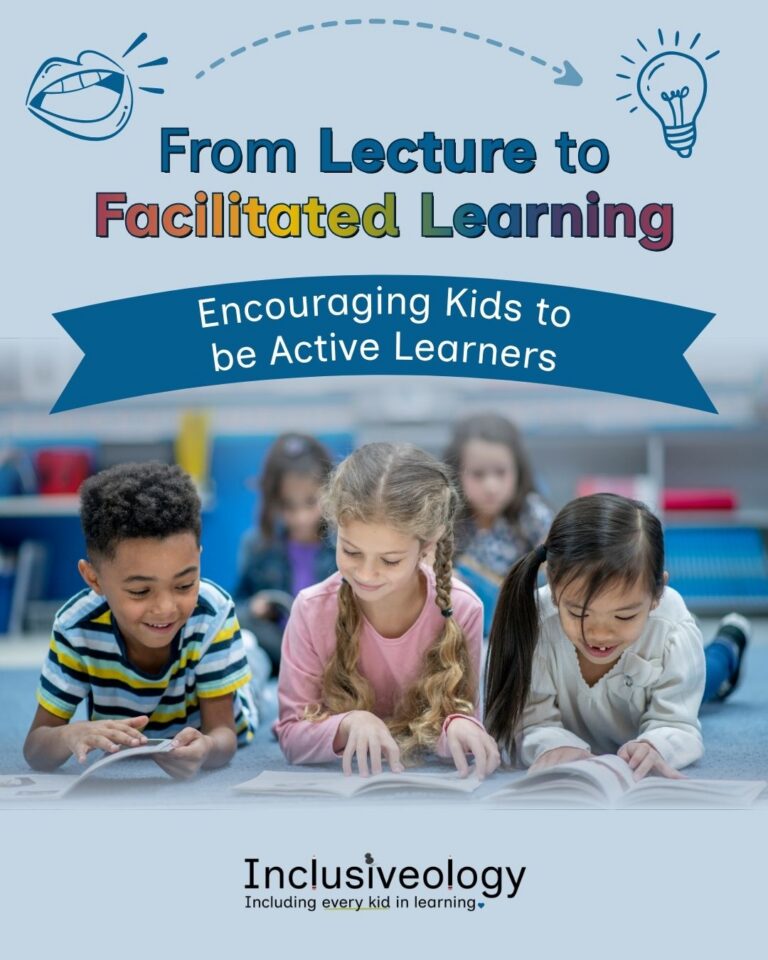
To move the needle on student outcomes, we need to move away from the “sage on the stage” and toward something more intimate and responsive. Small group instruction is a non-negotiable part of an inclusive, student-centered classroom.
There is a common misconception that small groups are reserved for students with disabilities or those who need significant learning supports. Small groups are a powerful tool for every learner in your room.

Every Learner Belongs at the Small Group Table
Students with disabilities and neurodivergent learners benefit from the safety of a smaller setting where questions feel less risky and supports are immediately accessible. Learners in the middle get the chance to clear up minor misconceptions before they quietly become major gaps. High achievers get something whole-group instruction rarely offers: extension, complexity, and genuine academic challenge.
In a large group, you might catch a glazed look on a student’s face without any real opportunity to respond to it. Small group instruction creates the immediate feedback loop that makes targeted reteaching, review, and question support possible.
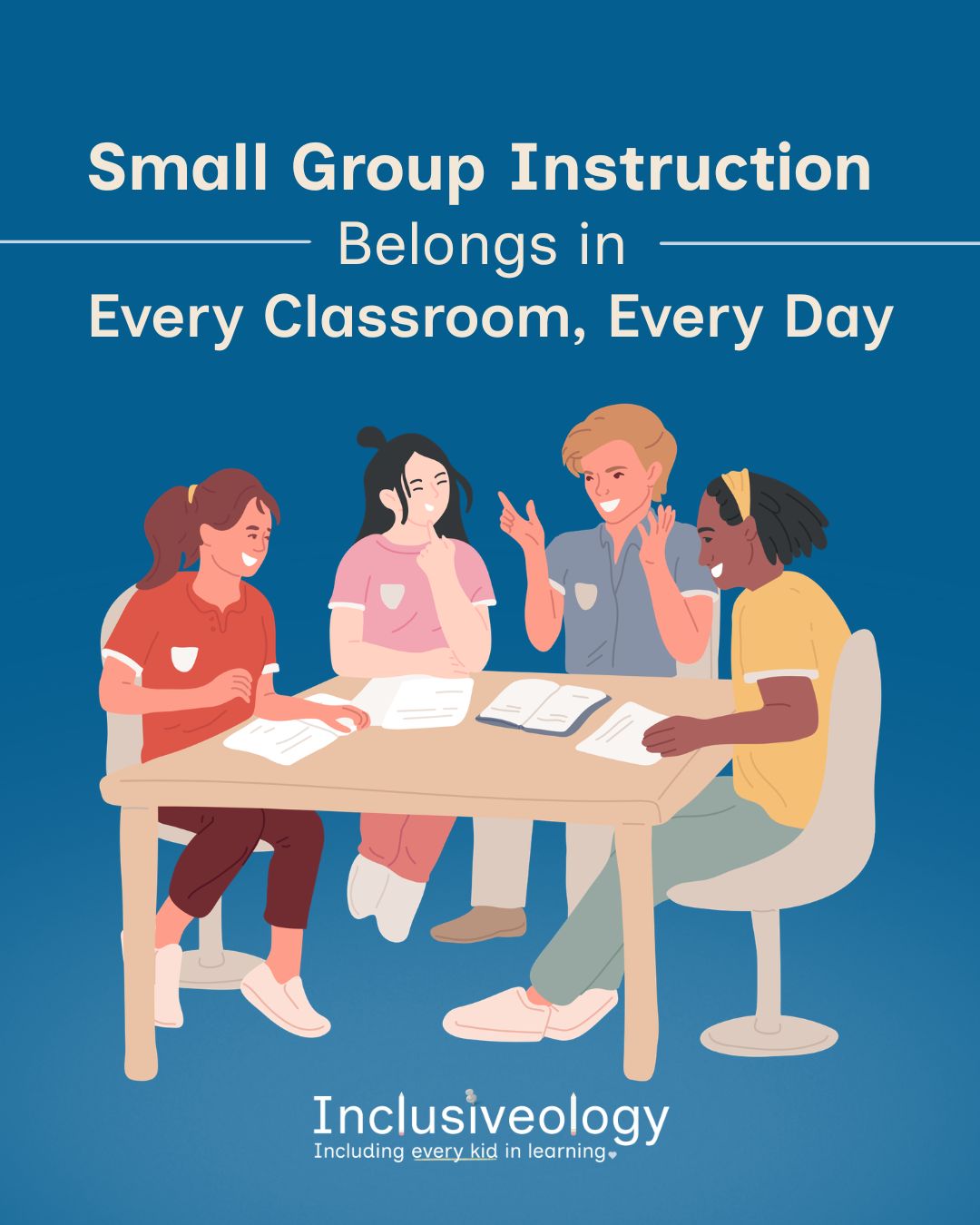
When you sit at a table with four or five students, the dialogue shifts from “Do you get it?” to “Show me how you know.” That intimacy allows you to facilitate higher-order thinking, push students to defend their answers, explore alternative methods, and engage in the kind of rigorous academic conversation that gets lost in a room of thirty.

What Happens at the Other Desks
One of the most valuable benefits of small group instruction shows up away from the teacher table. While you are focused on your small group, the rest of your class is building independent stamina, and that skill is foundational for student-led learning.
This only works when strong classroom management serves as the foundation. Clear transition routines, highly engaging independent tasks, and accountability structures for students working away from the teacher table are what make the whole system sustainable. When those pieces are in place, students begin taking genuine ownership of their learning.

You Already Have the Time
Small group instruction is the most effective way to ensure every student is seen, supported, and growing. It transforms your role from lecturer to focused guide, and that shift matters enormously for neurodivergent learners, students with disabilities, and every child who has ever needed something more than whole-group instruction can offer.
Here’s the thing… it does not have to happen all at once. Start with ten minutes. Even a single small group session can change the trajectory of a student’s day.
Every step forward counts. 💙
| Ready to build small group instruction into your daily classroom routine? Join the Inclusiveology platform and get the tools, structures, and coaching support to make it work for every learner in your room. Join Us: Inclusiveology.com/join |