How the Gradual Release Model Builds Assistive Technology and Learning Tools Independence in the Classroom
For many kids, assistive technology and learning tools are key supports for engagement and accessibility in the classroom. But having access to a tool is only part of the picture. Kids also need structured, intentional instruction to learn how to use those tools confidently and independently.
That’s where the Gradual Release Model of Instruction comes in.
The Gradual Release Model, often referred to as “I Do, We Do, You Do,” is a research-backed instructional framework that moves students from teacher-led demonstration to collaborative practice to independent application. When applied to assistive technology and learning tools, this model gives kids the scaffolded support they need to move beyond simply using a tool to strategically applying it in service of their own learning.
The shift toward greater engagement and independence happens when teachers create the time and space to facilitate learning in collaborative groups. That collaborative environment is where kids truly learn to leverage their tech and tools, building skills, taking ownership of their learning, and growing in their ability to direct their own education.

Let’s look at three classroom-ready examples of how the Gradual Release Model supports assistive technology and learning tool instruction
Using the Gradual Release Model for Speech-to-Text
Speech-to-text is one of the most accessible and impactful tools available to students today, and it’s already built into Google and Microsoft products, as well as apps like Transcribe and Voice Memo Dictation.

If you have kids in your class who struggle to get their ideas out fast enough, get frustrated easily, or find writing mechanics a barrier to expressing themselves, speech-to-text can open up a whole new pathway for them.
Here’s how the Gradual Release Model supports speech-to-text instruction:
I Do: The teacher demonstrates how to use speech-to-text software to quickly brainstorm ideas for a story. They model speaking clearly, reviewing the generated text, and making edits as needed.
We Do: In pairs or small groups, kids practice using speech-to-text with a specific prompt. They help each other articulate thoughts and navigate the software, while the teacher circulates to offer tips and troubleshoot.
You Do: Kids independently use speech-to-text to outline their own ideas for a project, with the confidence and experience to use the tool efficiently and purposefully.
Using the Gradual Release Model for Visual Directions
Multi-step directions can be a significant barrier for many learners. How often do you hear “What are we doing?” or “What am I supposed to do next?” at every stage of an assignment? Visual directions address this directly by giving kids a reliable reference point throughout the learning process.

You can display visual directions on an interactive whiteboard, make them available on individual devices, or even record audio or video directions kids can replay as they work. This approach builds agency, reduces repeated questions, and frees you up to facilitate learning and stay present with your students.
Here’s how the Gradual Release Model supports visual directions instruction:
I Do: The teacher introduces a new task by displaying clear, visual step-by-step directions on the interactive whiteboard, explaining each icon, symbol, and what the step requires.
We Do: In small groups, kids review the visual directions for a different task, discussing what each step means and how they would approach it. They may practice a portion of the task together before moving forward.
You Do: Kids access and follow their own personalized visual directions on their devices to complete an assignment independently, referencing the visuals as needed without waiting for teacher prompting.
Using the Gradual Release Model for Digital Graphic Organizers
Graphic organizers, whether digital or printed, are essential tools for helping kids organize their thinking. There are organizers designed for everything from compare and contrast to paragraph structure to math computations. When saved as a PDF, a graphic organizer can be embedded with text, highlighted, and drawn on to support organization and comprehension.

Here’s how the Gradual Release Model supports digital graphic organizer instruction:
I Do: The teacher presents a digital graphic organizer designed for paragraph structure, including sections for a topic sentence, supporting details, and a concluding sentence. They fill it out live, explaining the purpose of each section as they go.
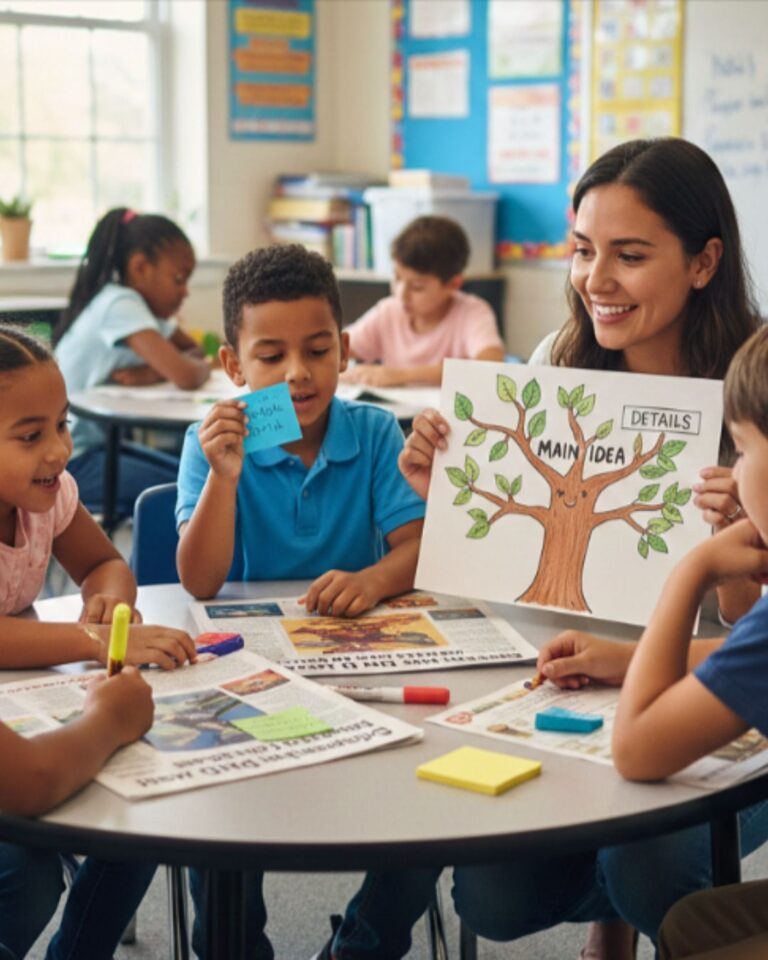
We Do: Kids work together to complete a graphic organizer for a shared class paragraph or a short text they’ve read. They discuss which information belongs in each section, with the teacher guiding their thinking and prompting discussion.
You Do: Kids independently use a similar digital graphic organizer to plan their own paragraphs for an essay, applying their understanding of structure to organize their writing logically and confidently.
Assistive Technology and Learning Tools Belong in Every Classroom
Does every kid need assistive technology and specialized learning tools every day? Not necessarily. But having them available, and making sure kids know how to use them, is a strong instructional move for any classroom.
Assistive technology and learning tools are supports for all kinds of learners, not only students with IEPs or 504 Plans. When these tools are taught with the same intentionality as any other classroom skill, through structured, scaffolded instruction, kids develop the confidence and strategies to apply them meaningfully.
The Gradual Release Model makes that possible. By systematically shifting responsibility from teacher to student, this instructional approach ensures kids learn how to use assistive technology and develop the independence to apply it in real learning contexts.
When teachers move from delivering instruction to facilitating it, something shifts for everyone in the room. Students become more engaged and more active in their own learning. Teachers feel less stretched and more connected to the work they came here to do.
That’s the kind of classroom Inclusiveology is built to support.

| If you’re ready to build an inclusive, student-led classroom where every kid has the tools and support to thrive, come get snuggled in at Inclusiveology.com/join 💙 |