Differentiated Instruction Strategies for Every K-12 Learner
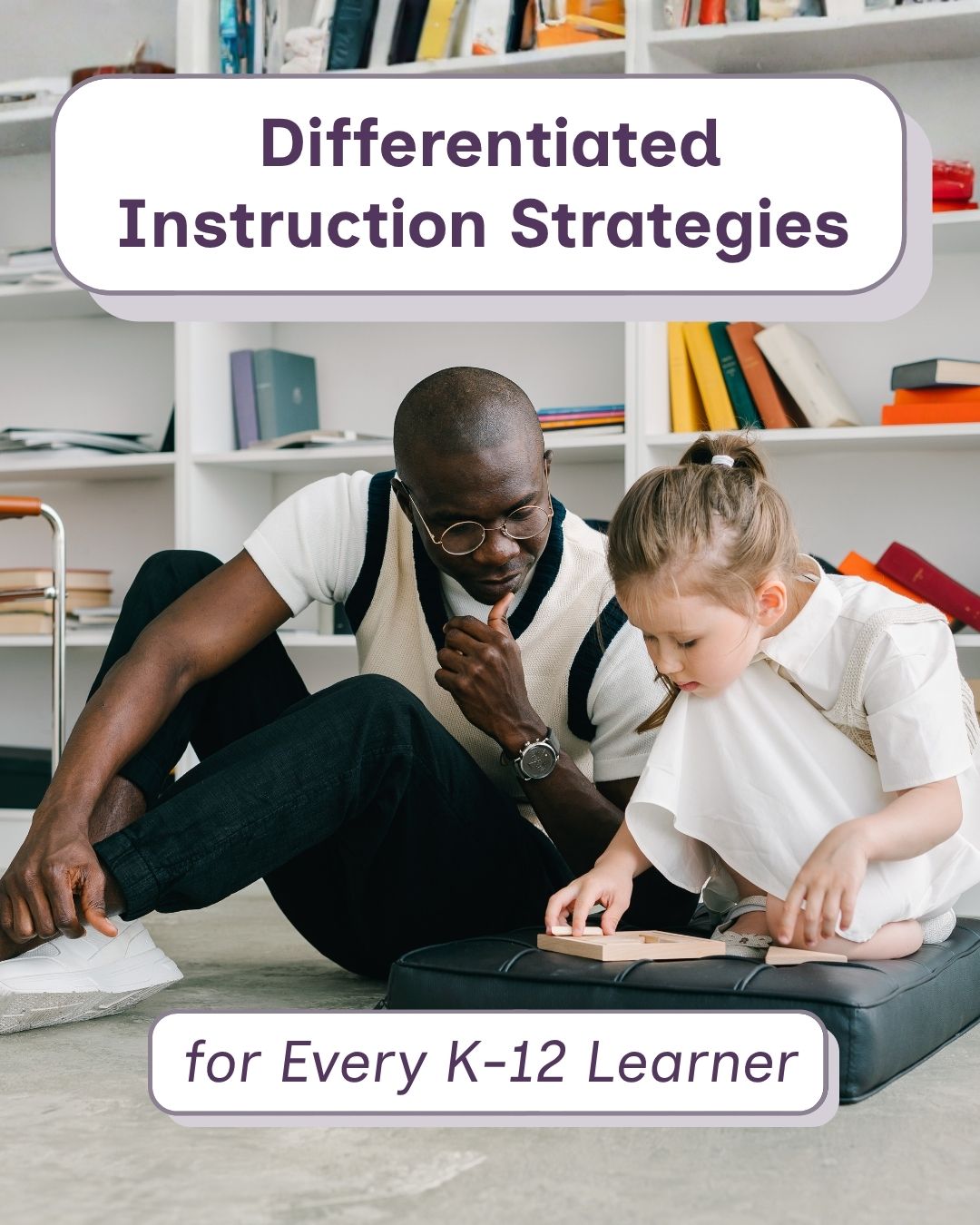
Every classroom holds a mix of learners, and each one has a unique path to understanding new material. Some students move quickly through a concept the first time they see it. Others need a hands-on entry point before it clicks, or a second pass through the same idea with a different format. This is where differentiated instruction strategies and specially designed instruction (SDI) come in.
Both approaches let you shape your teaching around the unique needs of your students, so every child has a real opportunity to succeed, and you have a clear structure to work from instead of guessing what each student needs on any given day.
Underneath both approaches sits a simple assumption: every student is capable of engaging with grade-level content when the path to get there is built for how their brain works. That assumption, sometimes called presumed competence, shapes the strategies below.
What you’ll learn:
- How to recognize the ways your students take in and process new material
- Practical strategies for adjusting content, process, and product
- How small group time supports both differentiated instruction and specially designed instruction (SDI)
Recognizing How Students Learn
The starting point for differentiation is understanding how your students take in information. A few common patterns show up in most classrooms.

- Visual learners understand best through images, diagrams, and graphic organizers. An anchor chart or a labeled diagram often does more for these students than a verbal explanation ever could.
- Auditory learners benefit from discussion, read-alouds, and audiobooks. Partner talk and think-pair-share routines give these students a chance to process new material out loud before writing anything down.
- Kinesthetic learners need movement and hands-on activities to anchor new concepts. Manipulatives, movement breaks, and building models help these students hold onto ideas that might otherwise stay abstract.
- Logical learners connect best through problem-solving, pattern recognition, and working with data. Word problems, sorting activities, and cause-and-effect discussions tend to hold their attention longer than a straightforward lecture.
Most students show up as a blend of these patterns, and that blend can shift depending on the subject or even the day. Once you have a general sense of the patterns in your own classroom, you can start building instruction around them instead of defaulting to one approach for everyone.
The Art of Accommodations and Flexibility
Once you understand how your students learn, you can adjust three parts of your instruction: content, process, and product.

Content
Offer tiered assignments with varying levels of complexity, or provide alternative texts at different reading levels so every student can access the same core concept. A unit on ecosystems, for example, might use the same key vocabulary across three reading levels so every student engages with the same ideas at a pace that works for them.
Process
Give students choice in how they engage with new material. Some may prefer working through a written case study independently, while others move faster with a small group discussion or a hands-on model. The goal isn’t to create more work; it’s to offer a couple of clear paths to the same learning target.
Product
Offer multiple ways for students to show what they know, such as a drawing, a mind map, a short presentation, or a written reflection. When the format is flexible, the assessment measures understanding rather than a single narrow skill, like handwriting speed or verbal recall under pressure.
Small Group Instruction: Differentiated Instruction and Specially Designed Instruction
Small group time is where differentiated instruction and SDI meet, and where targeted support becomes possible for the students who need it most.

Specially designed instruction addresses specific skill areas named in a student’s IEP. It’s instruction that’s been adapted in content, methodology, or delivery to meet an individual student’s needs, and it’s a legal requirement for students who qualify. A student working on multi-step word problems, for instance, might get SDI focused specifically on breaking those problems into smaller, manageable steps.
Differentiated instruction works for every student in the room, IEP or not. Within a small group, you can continue to adjust for learning style and individual progress. A reading group might include one student working on fluency, another on comprehension strategies, and a third on vocabulary, all within the same 15-minute rotation.
Collaborative learning rounds out small group time. Peer support and structured group work give students practice applying new skills alongside classmates, which builds both confidence and independence. Presuming that every student, regardless of how they learn, is capable of engaging meaningfully in that group work is part of what makes the structure work.
Many schools organize this kind of support using a tiered model, sometimes called MTSS. Tier 1 covers the differentiation happening for the whole class. Tier 2 and Tier 3 add more targeted small group or individual support, including SDI, for students who need it. Knowing where a strategy fits in that structure makes it easier to explain your planning to a coach, an administrator, or a family during an IEP meeting.
Building a Classroom That Flexes With Your Students
Differentiated instruction and SDI work best when they flex to fit your classroom, your students, and the moment in front of you. The goal is to stay flexible, creative, and responsive to the diverse needs sitting in your room every day, whether that means adjusting a single assignment or restructuring an entire small group rotation.
When you tailor your teaching this way, you build a classroom where every student feels challenged, supported, and equipped to reach their full potential. It doesn’t require an entirely new curriculum or a complete overhaul of your week; it starts with one small group, one tiered assignment, or one new way for students to show what they know.
Pick a single strategy from this post and try it with one group this week. Notice what shifts, then build from there. Differentiation and SDI grow stronger with practice, not with a perfect plan on day one.
| If you’re ready for more practical tools for building an inclusive, differentiated classroom, come get snuggled in at Inclusiveology.com/join 💙 |