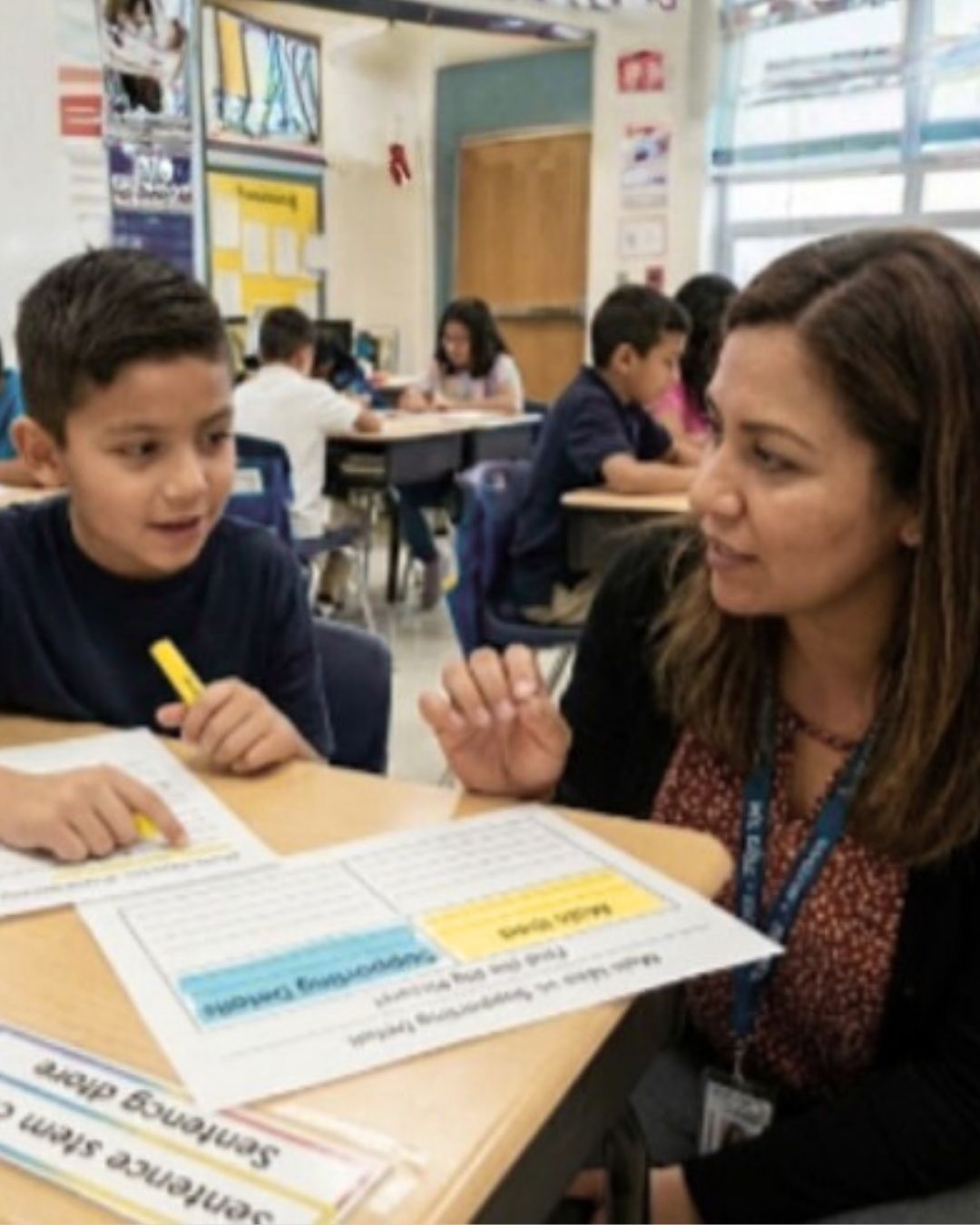
The Shift to Student-Centered Learning Changes Everything
For close to a century, the image of a teacher standing at the front of a classroom, delivering information to rows of attentive students, has been the cornerstone of education. This traditional model, where the teacher is the primary dispenser of knowledge, has certainly had its place. But in an increasingly changing world, are we truly preparing our students for the challenges ahead if we continue to do all the heavy lifting for them?
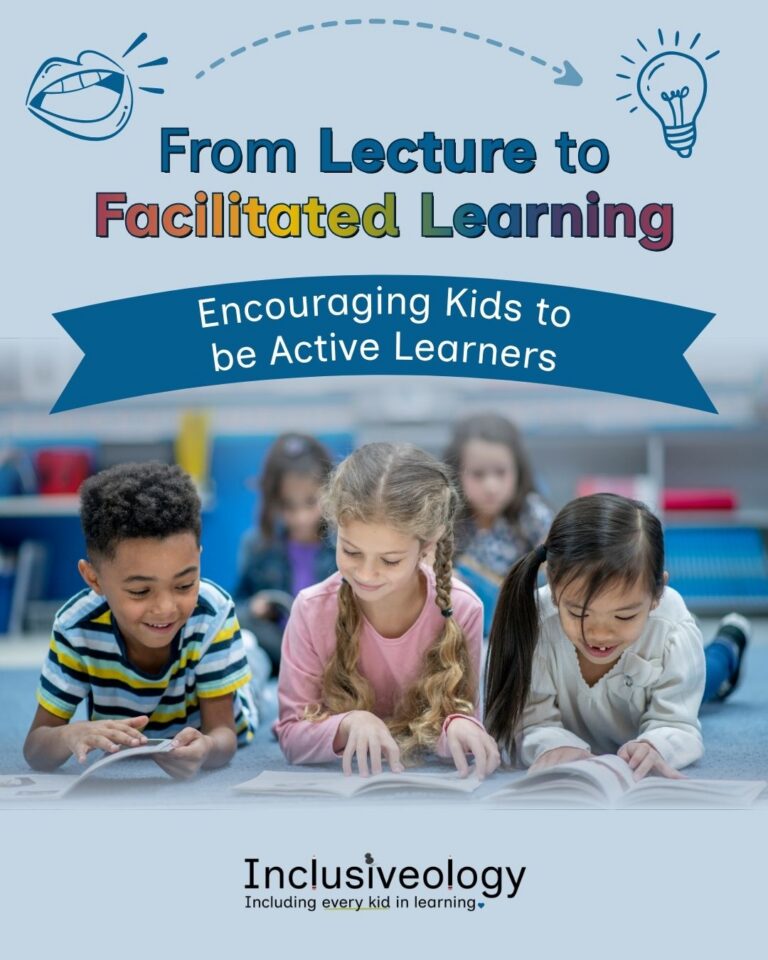
It’s time for a significant shift: a move from simply “teaching” to truly fostering “learning.” This is a change in pedagogy that guides students to become active, engaged participants in their own education rather than passive recipients of information. I was a passive recipient in my Chemistry class in 1985, and it ended with a ‘D.’ He taught, I sat, too shy and quiet to ask for help or admit I didn’t have a clue!
We’ve all seen it: glazed-over eyes, phones under desks, heads down. When we resort to lectures, we lose our kids. They zone out, and disengagement can manifest as acting out. Direct instruction has its place, but it’s rarely the most effective way to cultivate deep understanding and critical thinking skills.
So, what does student-centered learning look like in practice?
The Teacher as Facilitator: A New Role in Student-Centered Learning
Instead of being the sole source of information, the teacher’s role evolves into that of a guide. Set the stage, pose compelling questions, and provide the scaffolding necessary for students to explore, discover, and construct their own understanding. This means less “telling” and more “asking,” less “explaining” and more “supporting.”
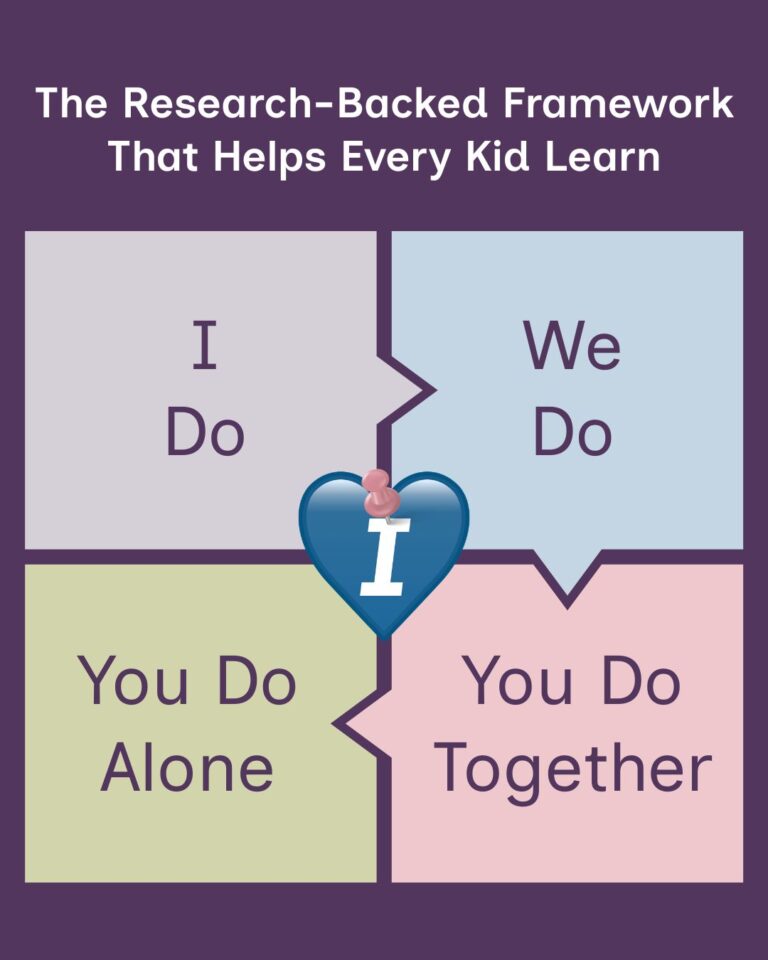
This shift is at the heart of the Gradual Release Model of Instruction, the “I Do, We Do, You Do Together, You Do Independently” framework that moves ownership of learning from teacher to student in intentional, supported steps. Rather than handing students information, we hand them the skills to find it, use it, and own it.
Embracing Inquiry-Based Learning
Imagine a classroom where students are presented with real-world problems, intriguing questions, or complex scenarios. They work collaboratively, research, analyze, and synthesize information to arrive at their own conclusions. This inquiry-based approach encourages curiosity, critical thinking, and problem-solving, which can be a real challenge for kids when Google and AI are doling out answers in .2 seconds. With the teacher as facilitator, kids get guidance in how to critically think, not just what to think.
Student-Centered Learning Strategies for Neurodivergent Learners
The shift to a student-centered environment is particularly powerful for neurodivergent learners, including those with ADHD, autism, or dyslexia. Traditional lectures fail to accommodate diverse processing styles, attention spans, and sensory needs. In a learning-focused classroom, the emphasis on varied activities, flexible grouping, and choice opens up real opportunities.
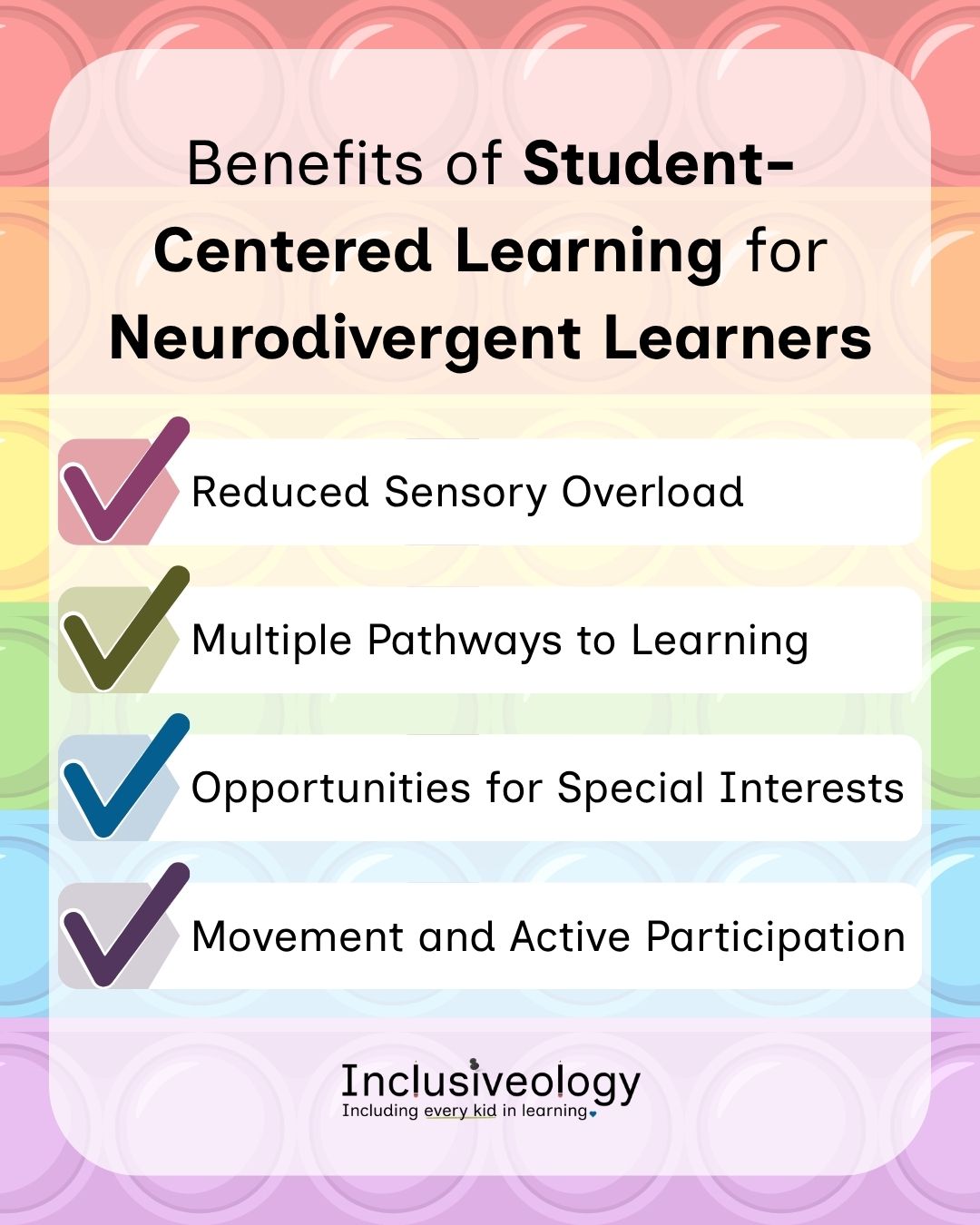
- Reduced Sensory Overload: Less reliance on sustained auditory input from lectures can minimize sensory overwhelm for kids that need it most.
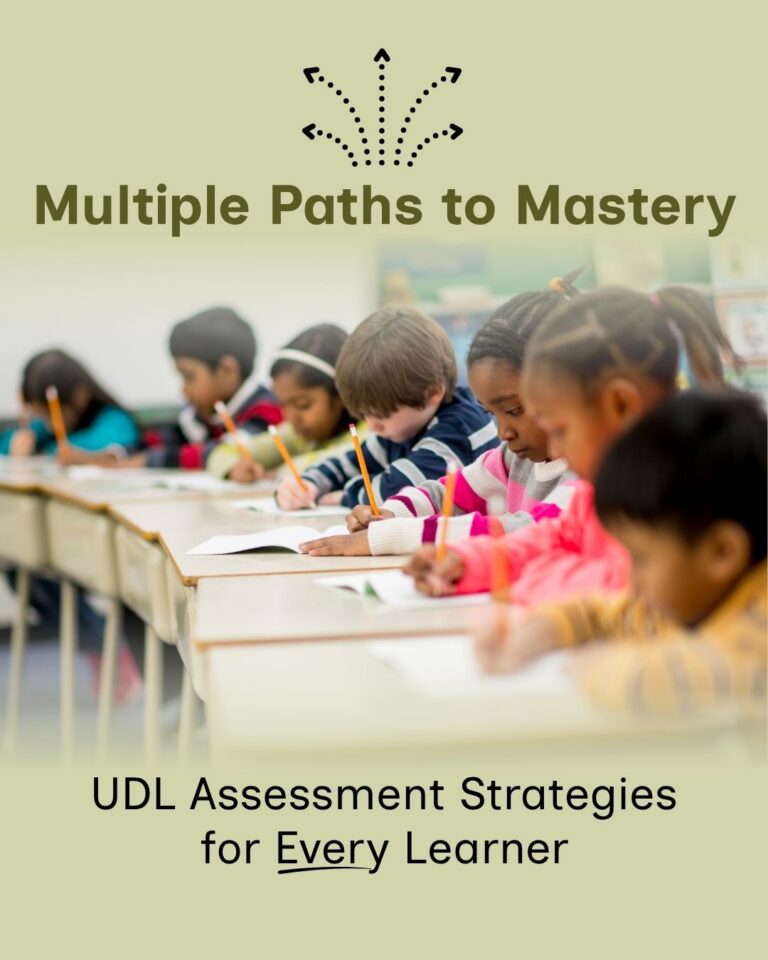
- Multiple Pathways to Learning: Students can engage with content through hands-on activities, visual aids, discussions, and independent research, catering to different strengths and preferences.
- Opportunities for Special Interests: For autistic students, integrating their special interests into projects can significantly boost engagement and deep learning.
- Movement and Active Participation: For students with ADHD, the chance to move, collaborate, and actively participate in learning tasks, rather than passively sitting, can dramatically improve focus and retention.
Meaningfully Including Students with Disabilities
This pedagogical shift also creates a more inclusive and effective learning experience for students with disabilities. The focus shifts from teaching to them to facilitating their learning.
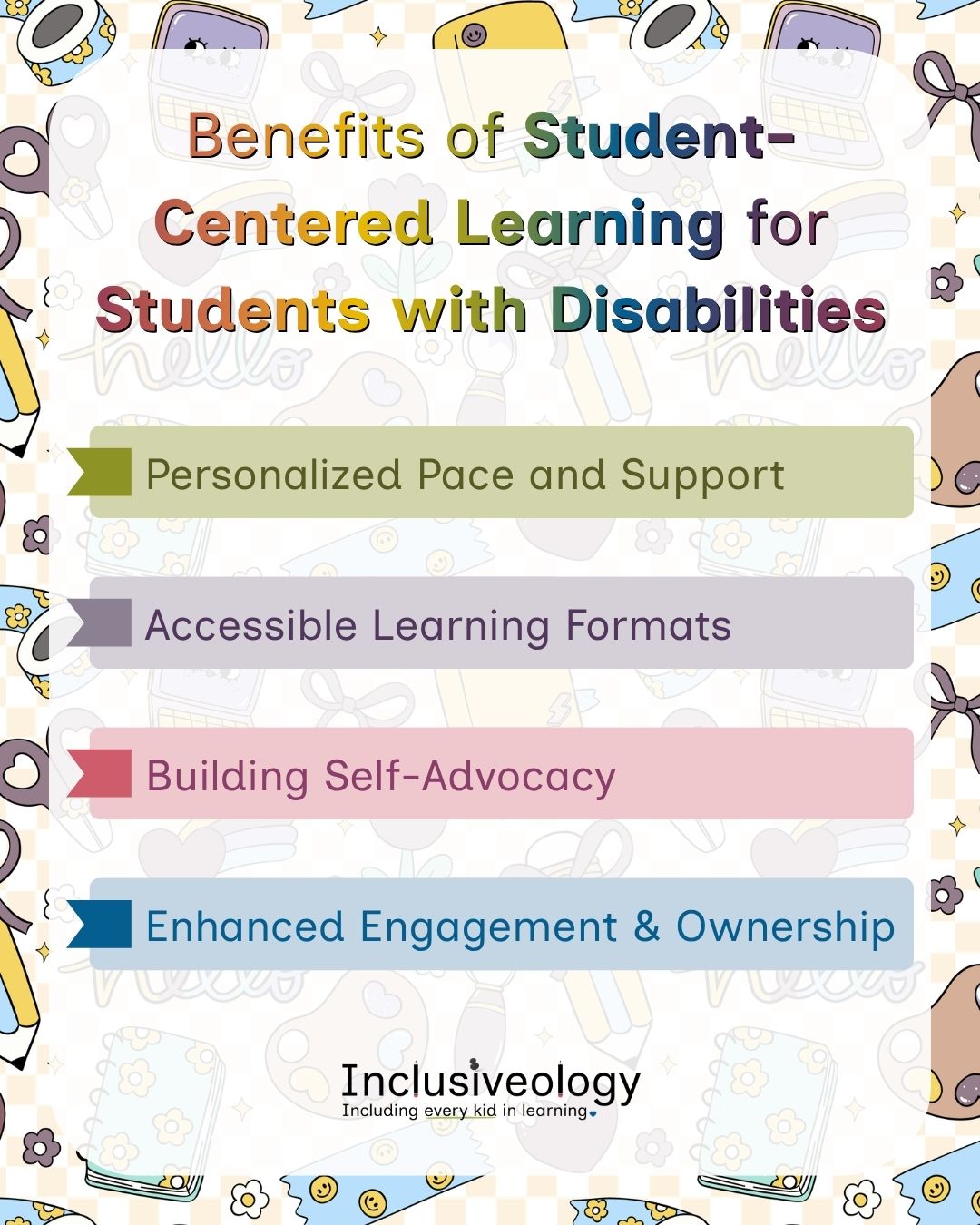
- Personalized Pace and Support: Students can work at their own pace, receiving individualized scaffolding as needed, rather than being rushed through a lecture format that doesn’t account for processing time or specific learning differences.
- Accessible Learning Formats: Student-centered classrooms naturally lend themselves to diverse materials: visual, auditory, and kinesthetic. Teachers can more easily incorporate assistive technologies and Universal Design for Learning (UDL) principles that benefit every learner in the room, not just those with an IEP or 504 Plan.
- Building Self-Advocacy: When students are actively involved in directing their learning, they develop self-advocacy skills; learning to identify what they need to succeed and communicate those needs effectively. That’s a skill that follows them out into the real world.
- Enhanced Engagement and Ownership: Taking ownership of their learning fosters a sense of agency and competence, and decreases the frustration that can come from one-size-fits-all instruction.
The Shift Is Worth It
The transition from “sage on the stage” to “guide on the side” is a commitment to creating equitable, engaging, and genuinely effective learning environments for all students. We want kids to learn and retain information, limit the “zone out” and the “act out,” and become creative, critical thinkers.
And here’s the part I want every teacher to hear: you shouldn’t be doing all of the heavy lifting. When you make the shift to student-centered learning strategies for inclusive classrooms, your kids do more, you carry less, and the joy comes back. That’s not just a win for them. That’s a win for you.
At Inclusiveology, we help teachers make that shift, with the Gradual Release Model, inclusive routines, assistive technology supports, and real-time coaching through our Solution Sessions. Let’s build classrooms where every kid is included in learning, and teachers feel equipped, energized, and deeply valued.
Ready to get started?
Join us on the Inclusiveology platform and let’s get you snuggled in. 💙